NAIROBI, Kenya, Nov 22 – Seven in every 10 Kenyans are not adequately prepared for retirement, with limited savings, pressure from financial dependents and pension products largely designed around formal employment emerging as major obstacles to long-term financial security.
A retirement preparedness survey conducted by Sanlam Allianz Kenya earlier this year found that a significant proportion of Kenyans risk reaching retirement without sufficient financial resources to sustain themselves, highlighting the need to widen access to savings and investment products beyond traditional pension schemes.
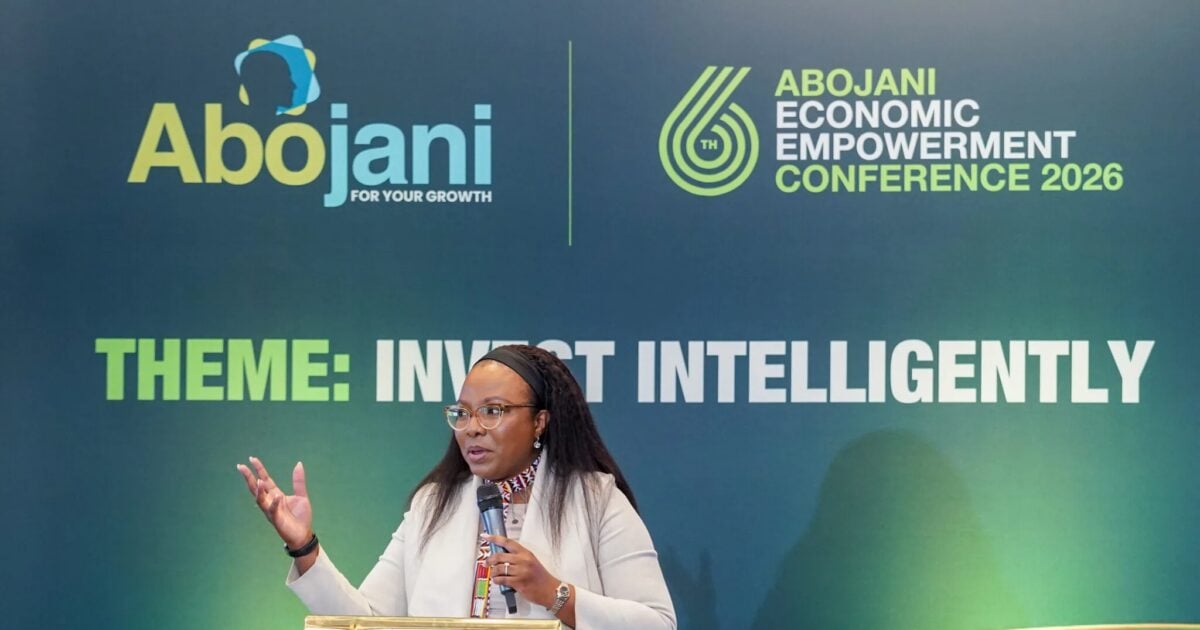
Speaking during the Abojani 6th Economic Empowerment Conference in Nairobi, Sanlam Investments Kenya Chief Executive Officer Jacqueline Karasha said the findings point to a disconnect between existing retirement products and the country’s employment structure, where most people earn through informal activities.
Karasha said more than 85 percent of Kenyans work in the informal sector, yet many pension products remain structured around regular monthly salaries and formal employment arrangements.
“Over 85 percent of Kenyans are in the informal sector. So that means that 85 percent of Kenyans are in an informal setup, either a business or a hustle.”
“Most of our pension products are designed around a payslip, where you work for 40 years in an organization. That is where the disconnect first comes in,” she said.
Read Also: Why Kenya urgently needs an industry-driven industrial policy
She said retirement planning should increasingly accommodate irregular incomes, encouraging Kenyans to set aside part of their earnings whenever they receive them rather than relying exclusively on employer-based pension contributions.
Karasha cautioned that accumulating savings alone does not guarantee financial security in retirement, noting that individuals need to establish how much money they will require to sustain themselves over their retirement years.
The survey further found that 39 percent of Kenyans can only meet basic household expenses for two months or less if their income stops, exposing the vulnerability of households to unemployment, illness and other financial disruptions.
The findings point to the importance of building emergency savings alongside long-term retirement investments to avoid liquidating accumulated assets whenever unexpected expenses arise.
Robert Ochieng, CEO and Co-founder of Abojani Investment, urged investors to approach wealth creation through a broader financial planning framework that goes beyond accumulating assets.
Ochieng identified emergency liquidity, investment diversification, retirement preparedness and wealth succession as important stages that investors often overlook while concentrating on building investment portfolios.
Read Also: Calvo Mistari & Naiboi Team Up With Zerro Sufuri On New Afro-Pop Single “Eye To Eye”
He said investors should first establish financial buffers to protect their investments against unexpected shocks before expanding into different asset classes and planning for retirement.
“Thirty-nine percent of Kenyans could cover basic household costs for two months or less if income stopped today.”
“How many months would you be covered for?”
Ochieng also warned against concentrating investments in products promising unusually high returns without verifying their legitimacy, urging Kenyans to prioritize regulated financial institutions and credible investment information.
The call for diversification comes amid growing interest in collective investment schemes, particularly money market funds, as households seek alternatives to traditional savings accounts.
A separate assessment presented at the conference indicated that approximately four million Kenyans are investing in money market funds and other collective investment schemes, while pension coverage remains below 30 percent.
Read Also: Ledama defends shooting threat, blames political rivals over auction drama
The speakers urged households to consider a combination of regulated investment products, insurance and income-generating businesses to spread financial risks and strengthen their ability to withstand economic disruptions.
Ochieng further emphasized the importance of involving entire households in financial planning, arguing that investment decisions should not be left to individual family members, particularly where dependents and succession arrangements are concerned.
He said diversification should also extend to income sources, with families encouraged to explore businesses and practical skills development to reduce reliance on salaried employment.
Read more at original source.