
NAIROBI, Kenya, Feb 19 – As Kenya strengthens its status as a global sports tourism destination—hosting major events such as the HSBC World Rugby Sevens Series, the 2026 Magical Kenya Open (DP World Tour), and the fabled WRC Safari Rally—the focus has shifted from simply hosting events to building systems around them.
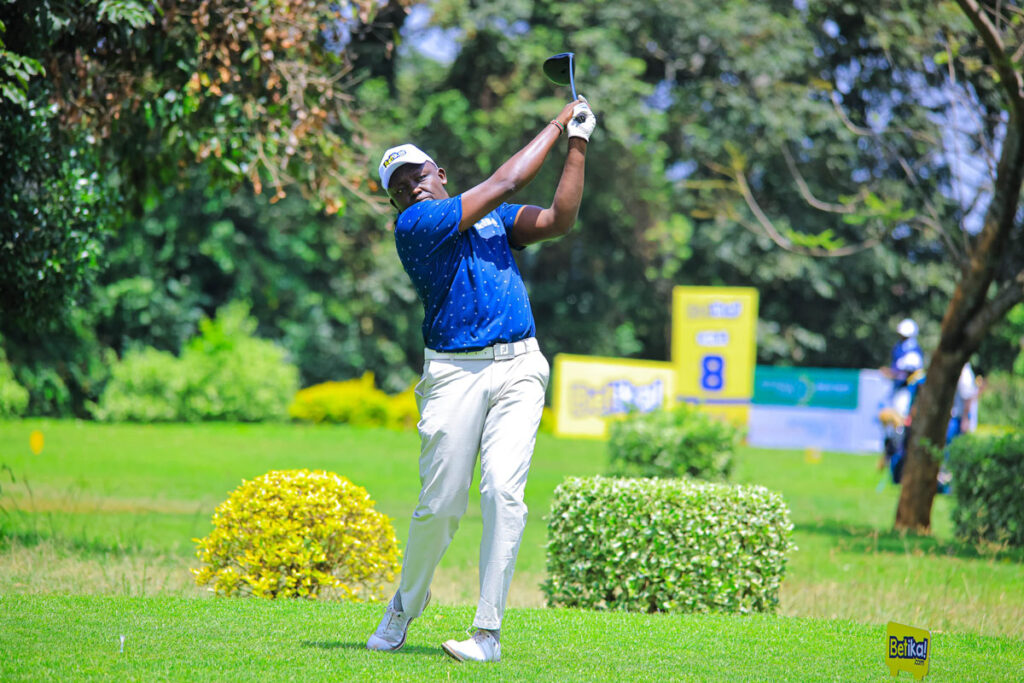
In 2021, Kenyan golf faced a difficult reality. While the country proudly hosted world-class tournaments like the Magical Kenya Open, many local professionals lacked consistent sponsorship, structured development pathways, and meaningful competitive support. Investment flowed into events—but not into the athletes representing Kenya.
–A Different Approach–
Vision 2030 Director General Kenneth Mwige in action during the pro-am at the 2026 Magical Kenya Open at the Karen Country Club.In response, the Vision 2030 Delivery Secretariat (VDS) under the leadership of the Director General Kenneth Mwige tested a new, athlete-first model aligned with the Social Pillar of Kenya Vision 2030 and the spirit of Talanta Hela—the belief that sport must provide a real “way out”, not just a weekend spotlight.
“In 2021, Vision 2030 directly sponsored 15 Kenyan and regional professional golfers at the Magical Kenya Open and Savannah Classic, committing Ksh. 3 million in structured support,” Mwige highlighted, adding that the impact was immediate.
Read Also: The Sh10.8B Red Flag: Talanta Sports City Cost Soars Past Treasury Limits
The breakdown of support by the Kenya Vision 2030 included Ksh 50,000 for each qualifying Kenyan player (15 players across two (2) events totalling Ksh 1.5m); a Ksh 50,000 bonus for each player who made the cut, with 7 players getting Ksh 350,000; and, of course, a caddie support programme at Ksh 5,000 per round, coming to Ksh 600,000.
Additionally, performance bonuses for the top 3 Kenyan/African finishers are Ksh 250,000, 200,000 and 100,000.
For the first time, players were supported before competition, allowing them to prepare properly rather than scramble at the last minute!
–Early Results That Changed the Narrative–
“In 2022, Njoroge Kibugu—at just 18 years old—became the youngest and only Kenyan to make the cut at the Magical Kenya Open. It was more than a personal milestone—it was proof that structured investment works.
Read Also: Tokyo in Nairobi? Kenya Turns to Japanese Expertise to Transform Urban Traffic
The model expanded to include African professionals, strengthening competitive depth and reinforcing Kenya’s Pan-African sporting leadership.
Players like Robson Chinhoi (Zimbabwe) progressed from Vision-supported participation to competing at the 2021 Magical Kenya Open, showing the long-term value of targeted backing.
–Turning Sponsorship into Investment–
To make the model sustainable, innovative funding mechanisms were introduced. Advertising space on players’ apparel and caddies’ bibs was auctioned, and proceeds went directly to players. Corporates received premium brand visibility, and this reframed sponsorship from philanthropy to strategic investment.
–The Bigger Message–
Read Also: Retirees Warn Young Kenyan Workers: Don’t Wait Until Retirement to Build Your Home
The most important takeaway, as Mwige explains, is simple: “This Kenya Vision 2030 Delivery Secretariat golf model works – and it is transferable. The same principles can strengthen rugby (HSBC Sevens), motorsport (WRC Safari Rally), athletics, basketball, and beyond. Kenya is no longer just hosting global sport. It is building systems behind it. This is Kenya’s sports blueprint in action.”
The post Kenya Vision 2030 Underscores Corporate Momentum In Growth Of Local Pros appeared first on Capital Sports.
Read more at original source.